
18650 3.2V 1500mAh LiFePO4 バッテリーセル: A Practical Solution for Battery Pack Development
導入
Choosing the right battery cell is an important step in developing a reliable rechargeable battery pack. Battery manufacturers and product developers need to consider several factors, including battery chemistry, 公称電圧, 容量, cell format and compatibility with the intended application.
の 18650 3.2V 1500mAh LiFePO4 battery cell is a cylindrical rechargeable lithium iron phosphate cell designed for battery pack assembly and various rechargeable power applications.
With a nominal voltage of 3.2V and a capacity of 1500mAh, this cell provides a defined specification for battery engineers, manufacturers and B2B buyers looking for LiFePO4 cylindrical battery cells.
この記事では, その主要な仕様を調査します, バッテリーの化学, potential applications and important considerations when selecting cells for battery pack projects.
1. Understanding the 18650 3.2V 1500mAh LiFePO4 バッテリーセル
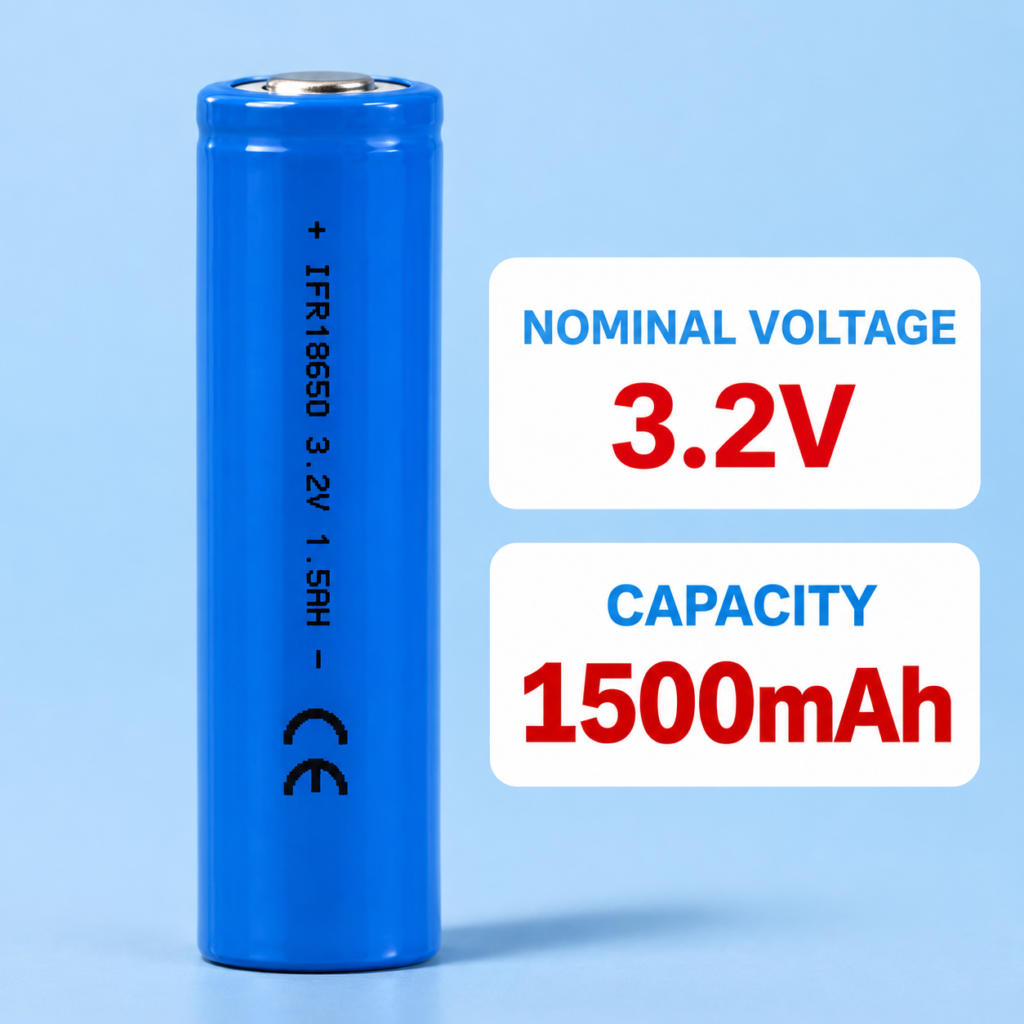
の 18650 battery cell belongs to the cylindrical lithium battery category. その 18650 format is widely recognized in battery product development and cylindrical cell assembly.
This particular cell uses lithium iron phosphate chemistry, 一般に LiFePO4 または LFP として知られています.
Its confirmed specifications include:
| 仕様 | 詳細 |
|---|---|
| セルのフォーマット | 18650 |
| バッテリーの化学 | LiFePO4 |
| 公称電圧 | 3.2V |
| 公称容量 | 1500mAh |
| 細胞の種類 | Rechargeable Cylindrical Battery |
These specifications provide a starting point for battery pack designers evaluating whether the cell is suitable for their electrical and mechanical requirements.
2. Why Choose LiFePO4 Battery Chemistry?
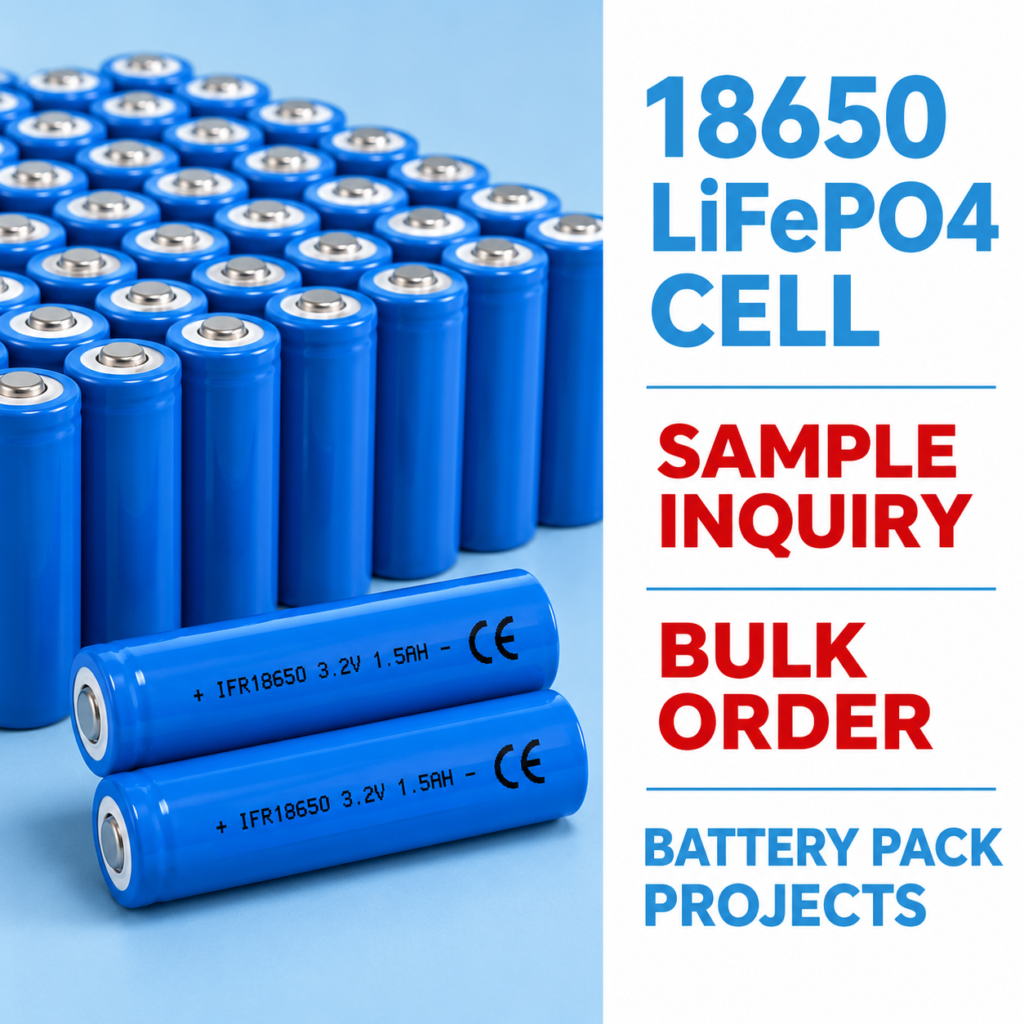
Lithium iron phosphate is an established rechargeable battery chemistry used in different battery applications.
Compared with other lithium battery chemistries, LiFePO4 has distinct electrochemical characteristics that make it an important option for battery system designers.
Key considerations include:
Battery Chemistry Selection
Battery chemistry affects the electrical characteristics, operating requirements and system design of a rechargeable battery pack. Selecting the appropriate chemistry is essential for the intended application.
Battery Pack Engineering
LiFePO4 cells require compatible charging control, protection systems and battery management. Engineers should evaluate the complete electrical specifications before designing a battery pack.
Application Compatibility
The suitability of a battery cell depends on the power requirements, 動作環境, discharge demand and design of the finished product.
3. Key Advantages of the 18650 円筒形フォーマット
の 18650 format provides a cylindrical cell structure that can be considered in different battery pack designs.
電池メーカー向け, the cylindrical format offers several practical design considerations.
Flexible Cell Arrangement
Individual cylindrical cells can be arranged according to the mechanical structure and electrical configuration of the battery pack.
バッテリーパックの開発
The format can be evaluated for rechargeable battery products where cylindrical cells are appropriate.
Product Integration
Battery designers can consider the 18650 format when developing compact power assemblies and customized rechargeable battery systems.
Standardized Format Identification
の 18650 designation helps buyers and engineers identify the cell format when comparing battery cell options.
Actual compatibility should always be confirmed against the cell’s complete mechanical and electrical datasheet.
4. Understanding the 3.2V Nominal Voltage and 1500mAh Capacity
Two important specifications when selecting a battery cell are nominal voltage and nominal capacity.
3.2V 公称電圧
The nominal voltage of this LiFePO4 cell is 3.2V.
This value is important when calculating the voltage configuration of a battery pack. Battery engineers must select the number of cells connected in series according to the required system voltage and the manufacturer’s confirmed operating voltage limits.
1500mAh容量
The nominal capacity is 1500mAh, equivalent to 1.5Ah.
Capacity is an important factor in estimating the energy available from a battery cell and planning the overall battery pack configuration.
For reference, multiplying the nominal voltage by the nominal capacity gives an indicative nominal energy of approximately 4.8Wh per cell.
Actual usable energy depends on operating conditions, discharge parameters and the confirmed cell specifications.
5. 潜在的な用途
の 18650 3.2V 1500mAh LiFePO4 cell can be evaluated for different rechargeable battery development projects.
潜在的な応用分野には次のものがあります。:
Battery Pack Assembly
Battery pack manufacturers can evaluate individual cells for customized battery assemblies according to their required voltage, capacity and structural design.
ポータブル電源装置
The cell may be considered for portable rechargeable power products where its electrical and physical specifications meet the design requirements.
Electronic Equipment
Product developers can evaluate the cell for electronic equipment requiring rechargeable battery power.
Customized Lithium Battery Projects
Engineering teams and battery manufacturers can assess the cell for customized projects that specify cylindrical LiFePO4 battery cells.
Application suitability must be confirmed through electrical testing and compatibility evaluation.
6. Important Factors When Designing a Battery Pack
Selecting a battery cell is only one part of battery pack development. A complete battery system requires careful engineering and component selection.
Before using 18650 LiFePO4 cells in a battery pack, consider the following factors.
直列および並列構成
Series connections affect the overall pack voltage, while parallel connections affect the overall capacity. The final configuration should be calculated according to the target application.
バッテリー管理システム
A compatible battery management system is required to monitor and protect the battery pack according to the cell manufacturer’s specifications.
Charging Compatibility
The charging system must be compatible with LiFePO4 battery chemistry and the confirmed charging parameters of the selected cell.
Discharge Requirements
The cell’s continuous and peak discharge capabilities must be verified before matching it with a specific device or application.
熱管理
Battery pack designers should consider temperature management, cell spacing and heat dissipation according to the pack structure and operating conditions.
Mechanical Protection
The finished battery pack should provide suitable mechanical protection and insulation based on the intended installation and operating environment.
7. How to Select the Right Battery Cell Supplier
B2Bバイヤー向け, selecting a suitable battery supplier is as important as choosing the correct battery chemistry.
大量注文の前に, consider these purchasing factors:
- Request the official technical datasheet.
- Confirm nominal voltage and capacity.
- Check the complete charging and discharging specifications.
- Ask about sample availability for evaluation.
- Confirm product consistency and quality inspection procedures.
- Discuss the intended battery pack configuration.
- Confirm order quantity, packaging and delivery requirements.
- Request applicable test reports and certification documents when required.
A clear understanding of the product specifications helps reduce technical uncertainty during battery pack development and purchasing.
8. よくある質問
Q1. この公称電圧はいくらですか 18650 バッテリーセル?
The confirmed nominal voltage is 3.2V.
第2四半期. What is its battery capacity?
The nominal capacity is 1500mAh, equivalent to 1.5Ah.
Q3. What battery chemistry does it use?
It uses lithium iron phosphate chemistry, also known as LiFePO4 or LFP.
Q4. Is this battery cell rechargeable?
はい. It is a rechargeable LiFePO4 cylindrical battery cell.
Q5. Can this cell be used for battery pack assembly?
It can be evaluated for battery pack assembly. The final design must meet the cell’s complete electrical and mechanical specifications.
Q6. Can multiple cells be connected in series?
Series connections can be considered when designing a battery pack. The required cell configuration, charging limits and protection requirements must be confirmed before assembly.
Q7. Can multiple cells be connected in parallel?
Parallel configurations can be considered for increasing battery pack capacity. The design must follow the manufacturer’s technical requirements and appropriate battery engineering practices.
Q8. What applications is this cell suitable for?
Potential applications include rechargeable battery packs, portable power equipment and customized battery development projects, subject to compatibility verification.
Q9. What information should I request before purchasing?
Buyers should request the complete datasheet, 充電パラメータ, discharge specifications, 寸法, 重さ, operating temperature range and applicable test documentation.
Q10. まとめ買いする前にサンプルを請求できますか?
You can contact the supplier to discuss sample availability and evaluation requirements before placing a larger order.
結論
の 18650 3.2V 1500mAh LiFePO4 battery cell provides a cylindrical rechargeable battery option for battery manufacturers, product developers and B2B buyers.
Its 3.2V nominal voltage, 1500mAh capacity and LiFePO4 chemistry offer key specifications for battery pack planning and product development.
Before selecting the cell for a specific application, buyers should confirm the complete technical datasheet, charging and discharging requirements, mechanical dimensions and system compatibility.
調達している場合 18650 LiFePO4 battery cells for a battery pack project or commercial application, contact us to discuss your specifications, sample requirements and purchasing plans.