
كيفية اختيار أ 18650 3.6خلية بطارية ليثيوم أيون V بقدرة 3350 مللي أمبير في الساعة لتصنيع عبوات البطاريات
ال 18650 lithium ion battery cell is widely used in rechargeable battery pack development and electronic equipment integration. لمصنعي البطاريات, distributors and equipment developers, selecting the right cylindrical cell is an important step in achieving the required battery performance, dimensions and system design.
A 3.6V 18650 lithium ion cell with a typical capacity of 3350mAh at 25°C offers a compact cylindrical format for professional battery development projects.
1. Understanding the 18650 خلية بطارية ليثيوم أيون
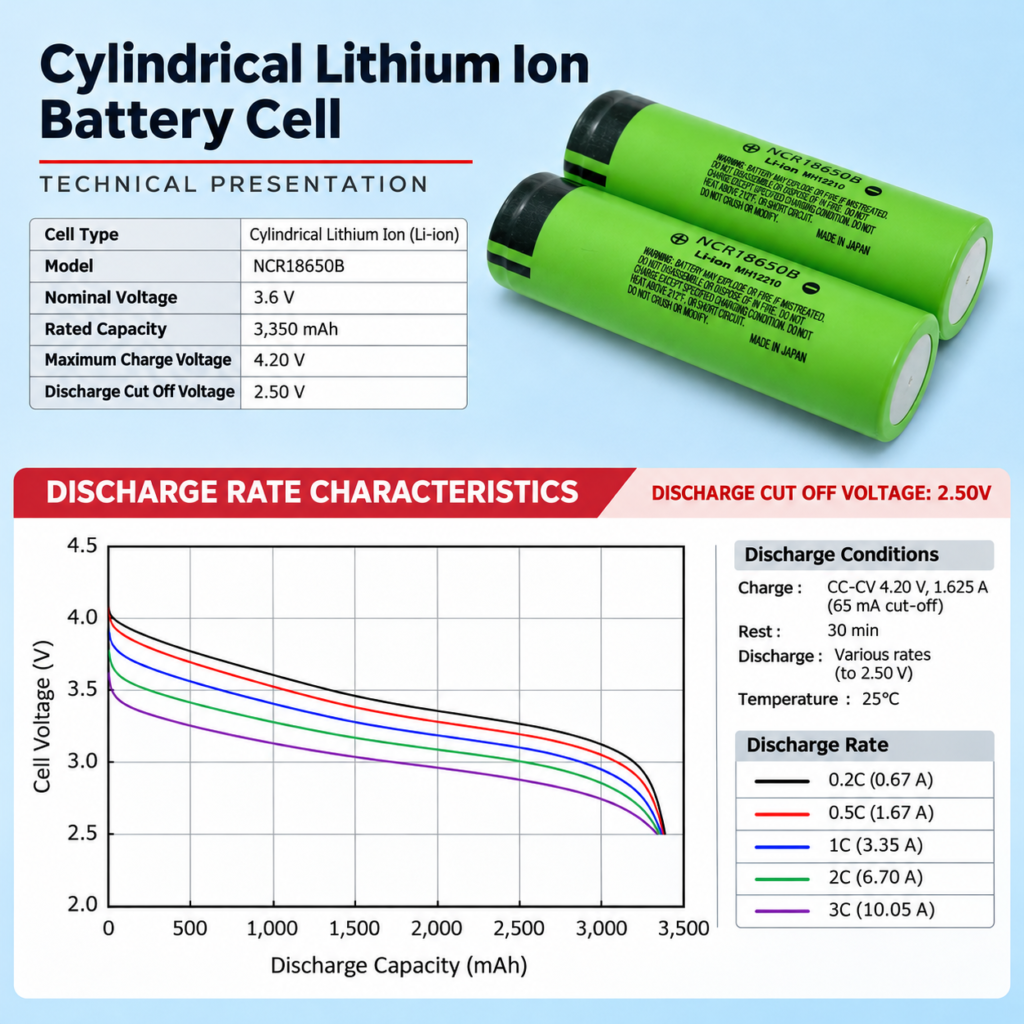
ال 18650 battery is a cylindrical rechargeable lithium ion cell format. Its standardized physical dimensions make it a common option for battery pack designers who need to arrange multiple cells into a customized battery configuration.
The cell featured in this article has a nominal voltage of 3.6V and a typical capacity of 3350mAh at 25°C. Its maximum diameter is 18.25mm, maximum height is 65.10mm, and maximum weight is 47.5g.
These specifications provide useful reference points for battery pack layout, mechanical design and preliminary project evaluation.
2. المواصفات الفنية الرئيسية
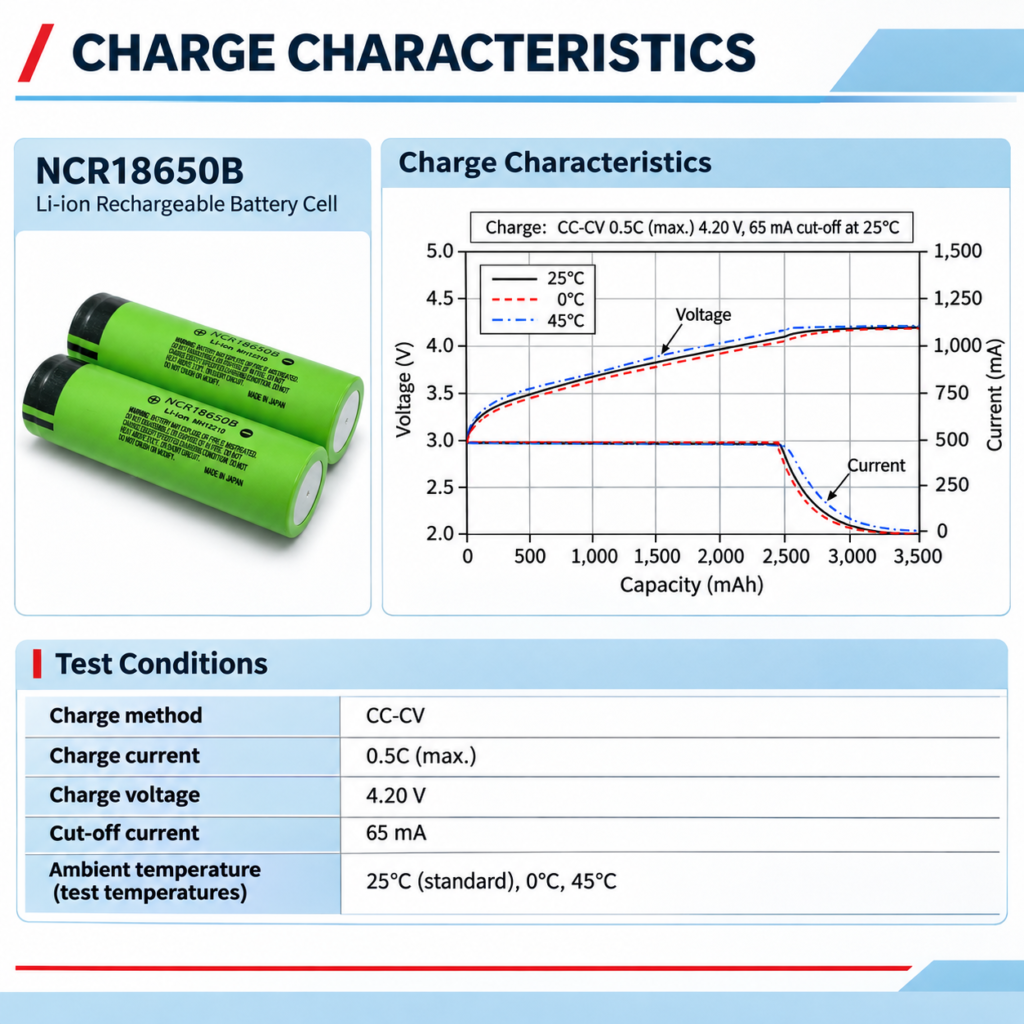
When evaluating a 18650 بطارية ليثيوم قابلة للشحن, buyers should review more than its advertised capacity.
وتشمل المواصفات الرئيسية لهذه الخلية:
• Battery format: 18650 خلية اسطوانية
• Chemistry: Lithium ion
• Nominal voltage: 3.6V
• Minimum rated capacity at 20°C: 3200ماه
• Minimum nominal capacity at 25°C: 3250ماه
• Typical capacity at 25°C: 3350ماه
• Standard charging voltage: 4.2V
• Standard charging current: 1625أماه
• Standard charging time: 4 ساعات
• Charging method: Constant Current and Constant Voltage
• Volumetric energy density: 676ذوي الخوذات البيضاء / لتر
• Gravimetric energy density: 243واط/كجم
It is important to distinguish between minimum capacity and typical capacity. The 3350mAh figure represents typical capacity at 25°C, while the specification also identifies minimum capacity values under different temperature conditions.
3. Why Energy Density Matters
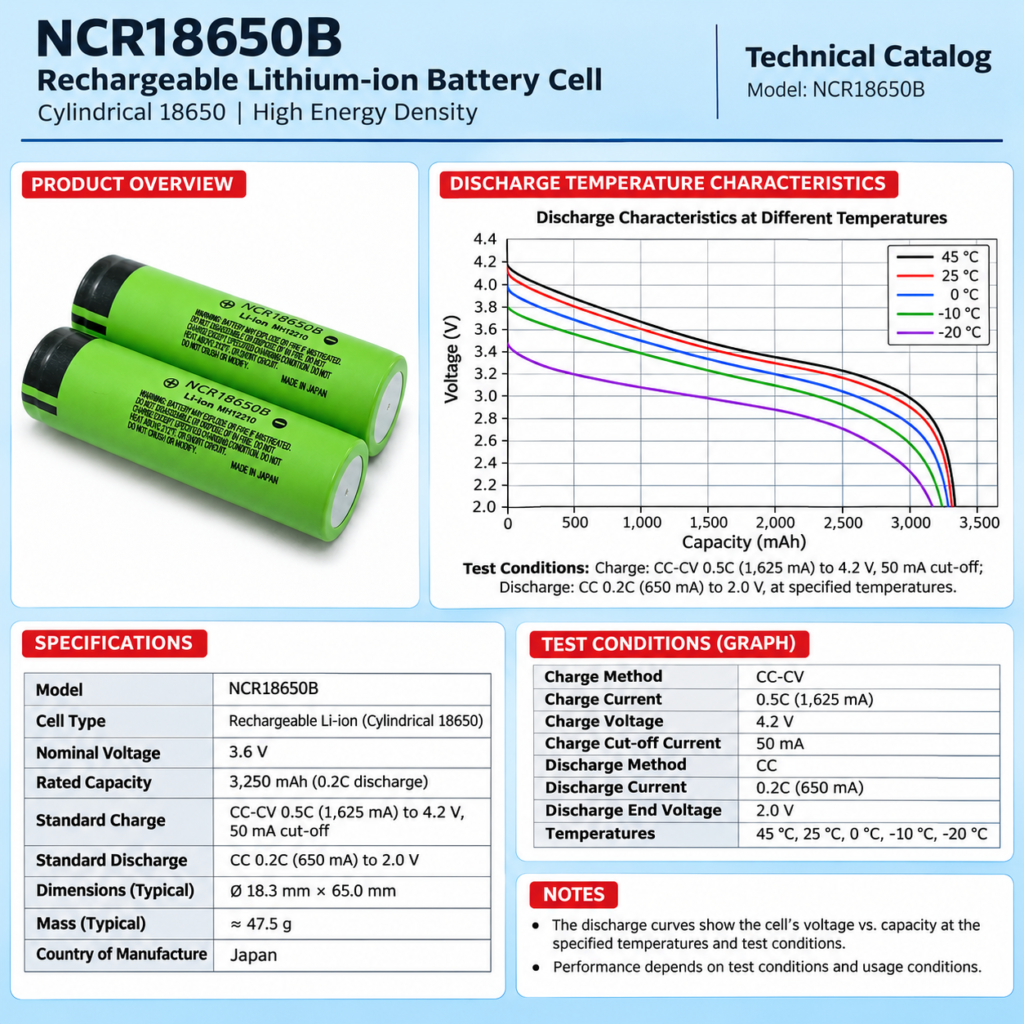
Energy density is an important consideration in compact battery design.
هذا 18650 lithium ion cell has a volumetric energy density of 676Wh/L and a gravimetric energy density of 243Wh/kg.
Volumetric energy density helps battery designers evaluate how much energy can be stored within a given volume. Gravimetric energy density helps them assess the relationship between stored energy and battery weight.
These values can support preliminary comparisons when developing compact battery packs. لكن, the final battery design should also consider discharge requirements, الإدارة الحرارية, protection circuits and the operating conditions of the finished equipment.
4. Charging Specifications and Temperature Conditions
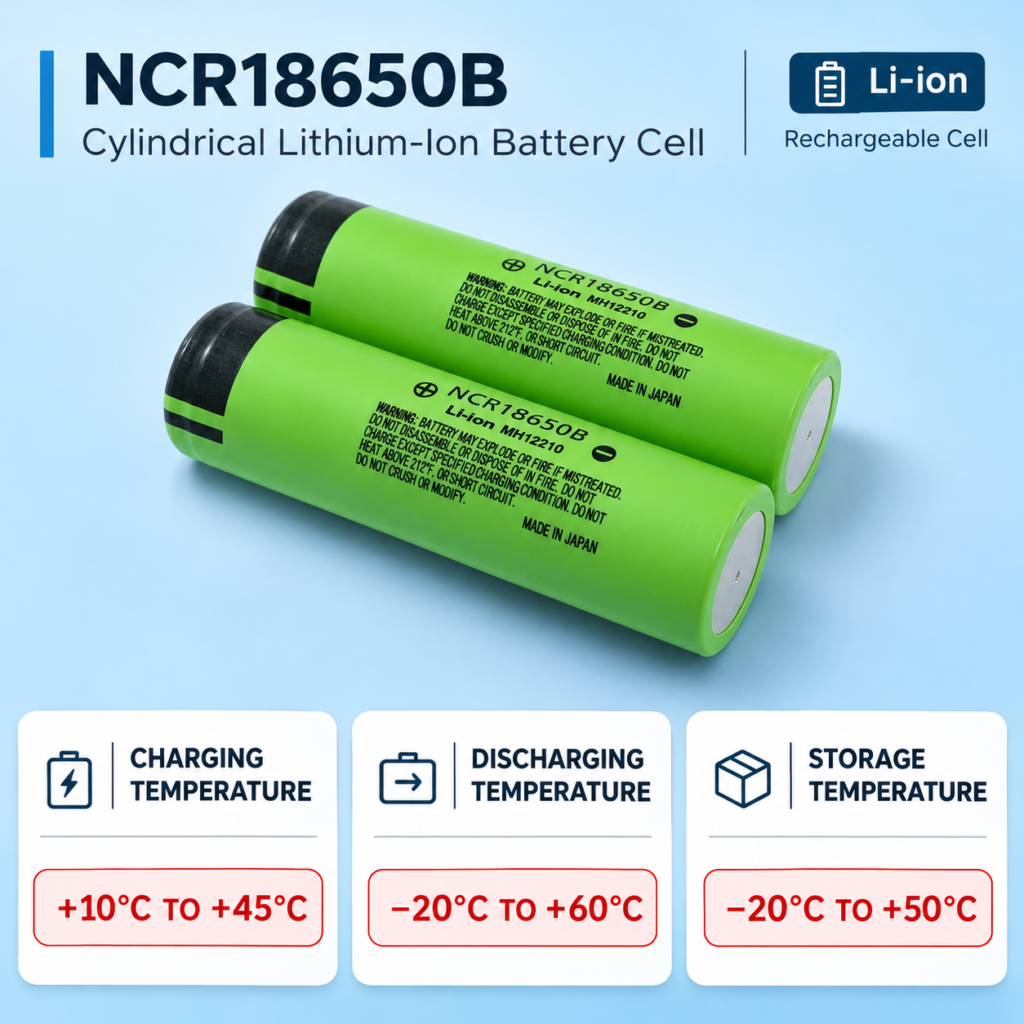
Correct charging parameters are essential when designing a rechargeable lithium ion battery system.
The specified standard charging voltage for this cell is 4.2V, with a standard charging current of 1625mA. The charging method uses Constant Current and Constant Voltage, with a standard charging time of four hours.
The specified charging temperature range is from +10°C to +45°C. The discharge temperature range is from minus 20°C to +60°C, while the storage temperature range is from minus 20°C to +50°C.
Battery pack manufacturers should follow the cell specification and establish suitable charging control, protection and thermal management for the complete battery system.
5. Considerations for Battery Pack Manufacturers
Selecting a cylindrical lithium ion cell is only one part of battery pack development. Buyers and engineering teams should also evaluate:
Cell Configuration: Determine the required series and parallel arrangement according to the target voltage and capacity.
Discharge Requirements: Confirm the actual continuous and peak current requirements before selecting a cell. The available specification should be checked for the necessary discharge limits.
نظام إدارة البطارية: Select suitable protection and monitoring functions according to the complete battery design.
الإدارة الحرارية: Consider heat generation, تصميم العلبة, ventilation and operating conditions.
التصميم الميكانيكي: التحقق من أبعاد الخلية, spacing, holders, insulation and assembly requirements.
Quality Verification: Request relevant technical documentation and evaluate samples under the intended operating conditions.
These checks help reduce design risks and improve the suitability of the finished battery pack.
6. Potential Applications and OEM Projects
18650 cylindrical lithium ion cells can be evaluated for customized battery pack development and electronic equipment integration.
Potential project areas include portable electronic equipment, rechargeable power solutions and other applications where the electrical and mechanical requirements match the cell specifications.
لمشاريع تصنيع المعدات الأصلية وأوديإم, buyers should provide their target voltage, سعة, تيار التفريغ, درجة حرارة التشغيل, battery dimensions and estimated order quantity. This information helps suppliers evaluate whether the cell is appropriate for the intended application.
7. Working with a Lithium Ion Battery Cell Supplier
للمشترين المحترفين, choosing a battery cell supplier involves more than comparing unit prices.
A reliable sourcing process should include specification review, تقييم العينة, technical communication, order quantity confirmation and delivery planning.
الشركات المصنعة لحزم البطاريات, distributors and equipment developers should communicate their project requirements clearly before placing bulk orders. This makes it easier to assess technical compatibility and establish a suitable supply arrangement.
خاتمة
أ 18650 3.6V lithium ion battery cell with 3350mAh typical capacity at 25°C can be considered for battery pack manufacturing and customized energy storage development.
Its cylindrical format, defined charging parameters and specified energy density provide useful technical information for preliminary product evaluation.
Before integrating any cell into a finished battery pack, buyers should verify discharge requirements, تصميم الحماية, thermal conditions and overall system compatibility.
إذا كنت مصادر 18650 lithium ion battery cells for an OEM project, battery pack production or wholesale supply, contact us with your technical requirements and estimated purchasing quantity to discuss the next steps.