
Choosing a suitable LiPo battery for an RC vehicle or drone involves more than comparing capacity figures. Battery voltage and capacity directly influence how the power system operates, how much energy is available, and whether the battery matches the equipment’s electrical requirements. Selecting the wrong specifications may lead to compatibility issues or prevent the RC device from operating as intended.
For RC enthusiasts, equipment manufacturers, and battery distributors, understanding the relationship between voltage and capacity is an important part of battery selection. A suitable RC LiPo battery should match the requirements of the motor, electronic speed controller (ESC), power system, and expected operating conditions.
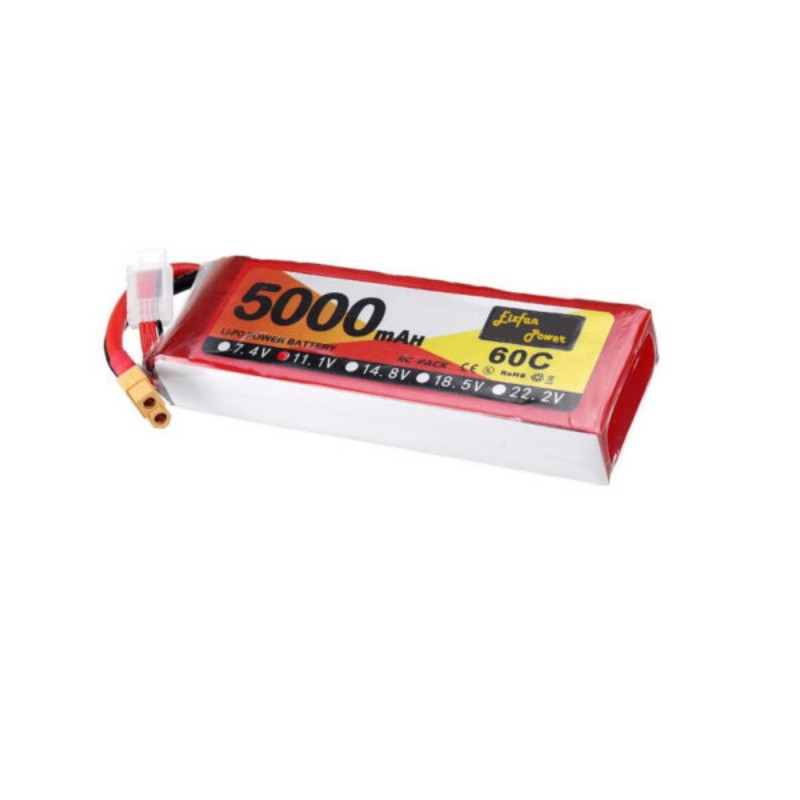
YIFANG offers LiPo battery solutions for different RC applications. Its 6S1P 22.2V 7000mAh battery pack provides an example of how cell configuration, rated voltage, and capacity work together in a practical battery specification.
🔋 1. Why Does Battery Voltage Matter in RC Applications?
Voltage determines the electrical potential supplied by a battery. In an RC power system, it directly affects how the motor and other electronic components receive electrical power.
A LiPo battery cell has a nominal voltage of approximately 3.7V. When multiple cells connect in series, their voltages add together while the capacity in ampere-hours remains unchanged.
For example:
- 3S LiPo battery: 11.1V nominal voltage
- 4S LiPo battery: 14.8V nominal voltage
- 6S LiPo battery: 22.2V nominal voltage
This relationship explains why a 6S LiPo battery has a higher nominal voltage than a 3S battery. However, a higher voltage does not automatically make a battery suitable for every RC application.
Before selecting a battery, users should check the voltage range supported by the motor, ESC, and other connected components. They should also consider the fully charged voltage, not just the nominal voltage, because LiPo cells operate across a defined voltage range.
For YIFANG’s 6S1P battery pack, the rated voltage is 22.2V. This configuration is intended for equipment designed to support a compatible six-cell series battery system.
⚡ 2. How Does Battery Capacity Influence Operating Time?
Battery capacity indicates how much electrical charge a battery can store. Manufacturers commonly express this value in milliamp-hours (mAh) or ampere-hours (Ah).
A higher-capacity battery generally stores more energy when compared with another battery at the same nominal voltage. This can provide more operating energy for an RC system, although actual running time depends on power consumption and operating conditions.
Consider several common capacity options:
- 5000mAh: 5Ah
- 6000mAh: 6Ah
- 6500mAh: 6.5Ah
- 7000mAh: 7Ah
For example, YIFANG’s 7000mAh LiPo battery provides a rated capacity of 7Ah. At a nominal voltage of 22.2V, its nominal energy is approximately 155.4Wh.
This figure helps buyers compare energy capacity across different battery configurations. However, it should not be treated as a guaranteed operating time. Actual usable energy depends on discharge conditions, load requirements, battery management limits, temperature, and the equipment’s power consumption.
When choosing an RC drone battery, buyers should therefore consider the expected workload rather than assuming that the largest capacity always provides the best result.
📐 3. What Does the 6S1P Configuration Mean?
The combination method describes how individual battery cells connect within a battery pack.
In a 6S1P configuration, six cells connect in series, with one parallel string. The series connection increases the total voltage, while the single parallel arrangement maintains the capacity of the individual cell group.
For a 6S1P LiPo battery, the nominal voltage is calculated as:
6 × 3.7V = 22.2V
The capacity depends on the capacity of each cell. In YIFANG’s specified battery pack, the rated capacity is 7000mAh.
Understanding this configuration helps buyers compare different LiPo battery packs more accurately. For instance, a 6S battery and a 3S battery may have different voltage requirements even if they share the same capacity rating.
The battery configuration must match the electrical design of the RC equipment. Users should not replace a lower-voltage battery with a higher-voltage model unless the entire power system supports the change.
🚁 4. How Should Voltage and Capacity Be Balanced?
Voltage and capacity serve different purposes, so buyers should evaluate them together rather than treating them as interchangeable specifications.
Voltage determines whether the battery is compatible with the equipment and influences the electrical operating conditions of the power system. Capacity indicates the amount of stored charge and contributes to the available energy.
For example, a 22.2V 7000mAh battery and an 11.1V 7000mAh battery have the same rated charge capacity, but they do not store the same nominal energy. Their nominal energy values are approximately 155.4Wh and 77.7Wh respectively.
This distinction is important when comparing high-capacity RC batteries. A battery with a higher mAh rating does not necessarily provide more energy than another battery if their voltage ratings differ significantly.
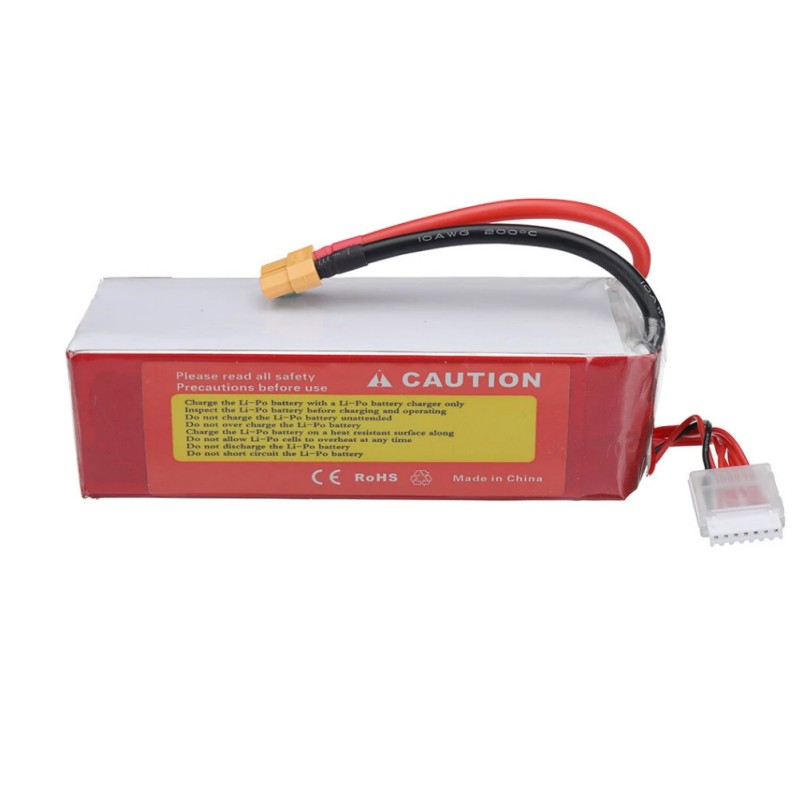
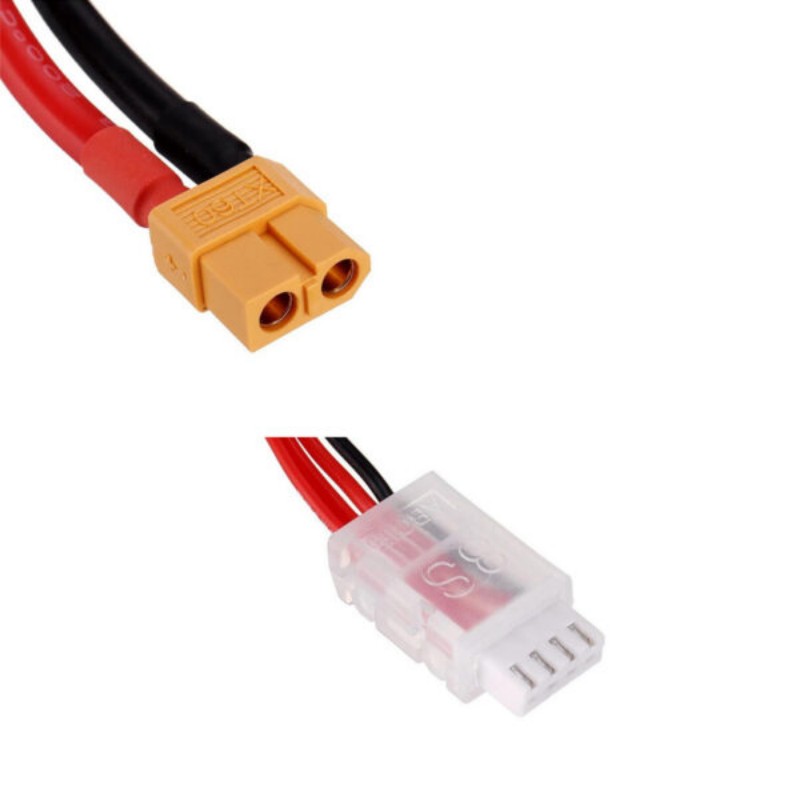
Buyers should also consider physical dimensions, battery weight, connector type, discharge requirements, and the installation space available in the RC device. These factors can affect whether a battery is practical for a particular application.
🌡️ 5. Why Do Temperature Conditions Matter for LiPo Battery Selection?
Temperature affects battery operation, charging, discharging, and storage. Using a battery outside its specified temperature range may affect performance and create safety risks.
YIFANG’s 6S1P 7000mAh LiPo battery specifies the following temperature ranges:
- Charging temperature: 0°C to 40°C
- Discharging temperature: -20°C to 60°C
- Storage temperature: -20°C to 40°C
These specifications help users understand the environmental conditions under which the battery is designed to operate.
Charging temperature deserves particular attention. Users should follow the manufacturer’s charging instructions and avoid charging a battery outside the specified range. The charging process should also use a compatible LiPo charger with the correct cell count and charging settings.
For storage, users should follow the manufacturer’s recommended voltage and handling instructions. Keeping the battery away from direct sunlight, excessive heat, moisture, and physical damage is also important.
For RC applications in outdoor environments, checking the expected operating temperature before selecting a battery can help users plan more suitable equipment configurations.
🔍 6. What Should Buyers Check Before Purchasing an RC LiPo Battery?
Voltage and capacity are essential, but they are not the only specifications that determine battery suitability. A more complete evaluation helps buyers avoid compatibility problems and select a battery that meets their actual requirements.
Voltage compatibility: Confirm that the battery’s nominal and fully charged voltage fall within the supported range of the RC equipment.
Capacity requirements: Estimate the equipment’s energy consumption and choose a capacity that meets the intended operating needs without exceeding available installation space or weight limits.
Cell configuration: Check whether the equipment supports the required series configuration, such as 3S or 6S.
Discharge capability: Review the required continuous and peak current. The battery’s discharge rating must be verified separately because capacity and voltage alone do not establish its current delivery capability.
Temperature range: Compare the battery’s charging, discharging, and storage specifications with the expected operating environment.
Physical compatibility: Check dimensions, weight, connectors, and mounting requirements before finalizing the selection.
These considerations are particularly relevant for RC manufacturers, drone equipment suppliers, and distributors sourcing batteries for specific product configurations.
Conclusion
Voltage and capacity are two fundamental specifications in RC LiPo battery selection, but they serve different functions. Voltage determines electrical compatibility with the power system, while capacity indicates the amount of charge the battery can store. Evaluating both together provides a more accurate basis for choosing a suitable battery pack.
YIFANG’s 6S1P 22.2V 7000mAh LiPo battery offers a defined combination of cell configuration, rated voltage, and capacity. With specified charging, discharging, and storage temperature ranges, it provides useful technical information for buyers evaluating battery options for compatible RC applications.
Rather than selecting a battery based on one specification alone, buyers should assess voltage, capacity, discharge requirements, temperature conditions, and physical compatibility together. This approach supports more informed battery selection and better alignment between the battery pack and the intended RC equipment.